
About Us
Elephant Lifting Equipment, a subsidiary of Apex Industrial Holdings, was established in June 1982 in Pretoria, initially as a small enterprise trading in engineered goods. We have grown into the largest and most technically competent supplier, designer and manufacturer of lifting equipment in Southern Africa.
We also provide full-service support, inspection, testing and certification to meet South African and international statutory requirements and best practice.
We have exclusive and long-standing relationships with the best local and international suppliers, built over more than four decades of operation.
We carry substantial stockholding across all our distributed product lines and we design and fabricate special attachments and bespoke cranes per order.
Our team of industrial experts and long-standing employees serve a prestigious customer base across mining, energy, refining, construction, infrastructure and other diversified industries in Southern Africa.
Meet the team
Elephant Lifting attributes its success to its exceptional team members, who are instrumental in leading the company to its industry-leading position today. Without the dedication and expertise of each team member, Elephant Lifting would not be able to achieve its current level of excellence.
Health & Safety Act and Regulations
Health & Safety
International Design Standards
Use of Chain Slings
Use of Steel Wire Rope Slings
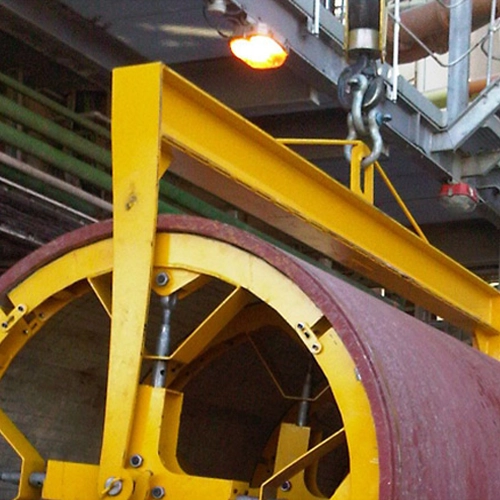
Occupational Health and Safety Act & regulations (85/1993)
Users of lifting machines and hand-powered lifting devices must ensure these are designed to technical standards, clearly marked with safe working loads, and equipped with the manufacturer's identification. Machines must have three rope turns on the winch drum, automatic cut-out devices, and appropriate brakes. Chains or ropes must have specific safety factors, and load-attaching devices should prevent accidental disconnection. Regular inspections and performance tests by qualified inspectors are required, with records maintained for at least 12 months. Lifting devices should have load indicators and arresting devices for safe operation. Only trained operators can use these machines, with lifting tackle inspected every three months and maintained to avoid defects. Compliance with various SANS standards is mandatory.
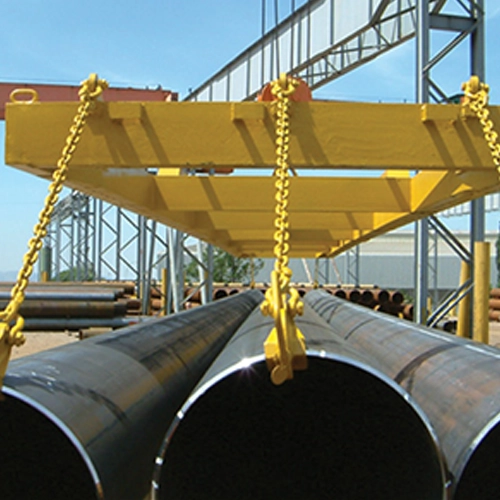
International Design Standards
The legal requirements for lifting equipment in South Africa, as outlined in the Occupational Health and Safety (OHS) Act and its Driven Machinery Regulations (DMR), mandate that lifting machines and tackle must be designed, constructed, and maintained according to accepted technical standards. Key provisions include clear marking of maximum load capacities, regular inspections and performance tests, safety features like brakes and load limiters, and operator training. Specific regulations apply to different types of equipment, such as cranes and hoists, emphasizing safety factors for ropes and chains and prohibiting unapproved equipment. Additionally, the Mine Health and Safety Act reinforces these requirements for mining operations, stipulating safety measures and proper maintenance procedures. Compliance with national and international standards is essential, and detailed records of inspections and tests must be maintained.
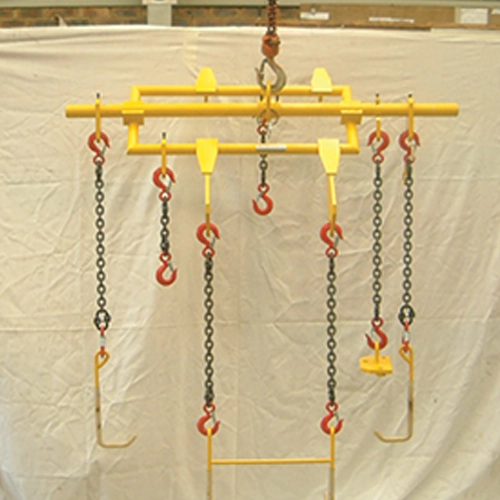
Safe Use and Maintenance of Chain Slings
Selecting, using, and maintaining chain slings involves careful consideration of several factors. Chain slings, available in various grades and configurations, must be chosen based on load capacity, slinging method, and environmental conditions such as extreme temperatures and chemical exposure. Proper usage includes ensuring slings are not overloaded, twisted, or knotted, and hooks are positioned correctly. Safe lifting practices involve verifying load weight, securing the sling, protecting it from sharp edges, and making trial lifts to check balance. Inspections should be conducted before use and quarterly, checking for defects like wear, corrosion, and deformation. Damaged slings should never be used and must be referred to a competent person for examination and possible discard. Proper storage and handling are essential to prevent damage and ensure longevity.
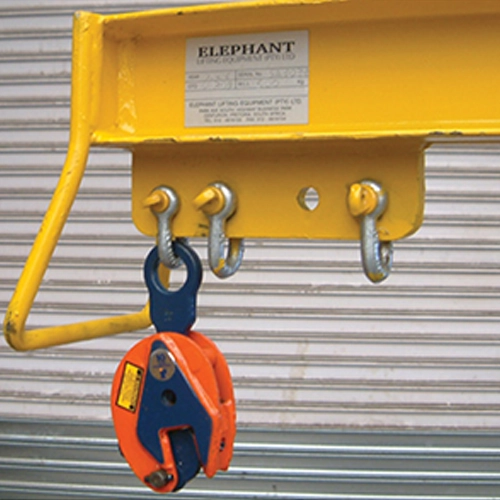
Safe Use and Maintenance of Steel Wire Rope Slings
Selecting, using, and maintaining steel wire rope slings involves understanding their working load limits (WLL), which are calculated based on the rope’s minimum breaking force, efficiency, use conditions, and mass-to-force ratio. Single and multi-leg sling capacities are determined with specified factors, and the angles between sling legs must not exceed set limits. Proper selection includes considering the load’s mass, center of gravity, attachment points, and sling length, construction, grade, finish, and any special requirements. Safe usage mandates adherence to WLL, avoiding overloading, sharp edges, and improper handling. Slings must be certified, marked, and used per manufacturer instructions, with competent personnel conducting lifts in a controlled environment. Regular inspections every three months, or more frequently based on usage conditions, are necessary to check for defects, with damaged slings withdrawn from service and properly disposed of.
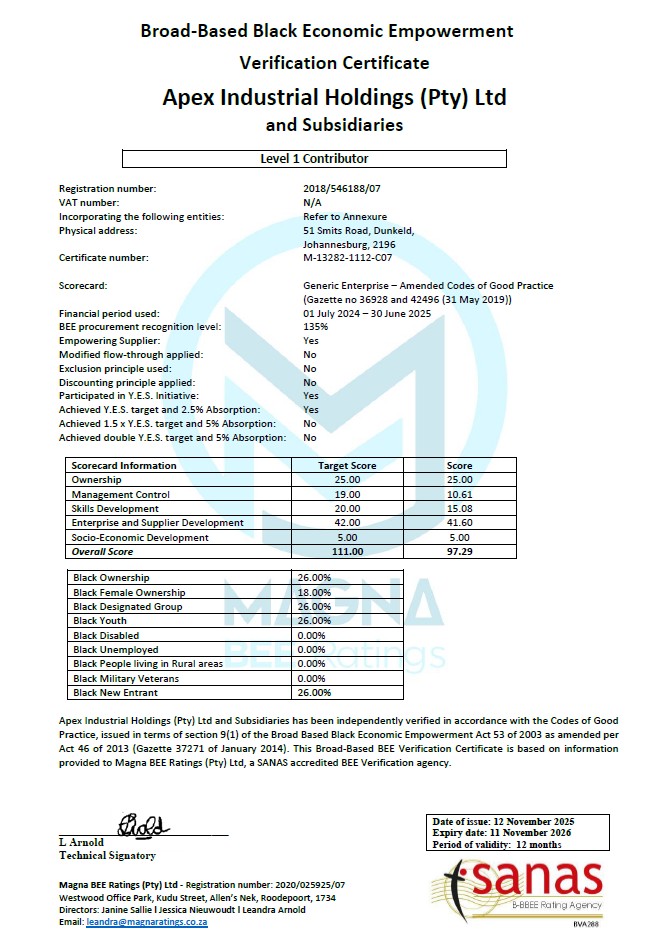
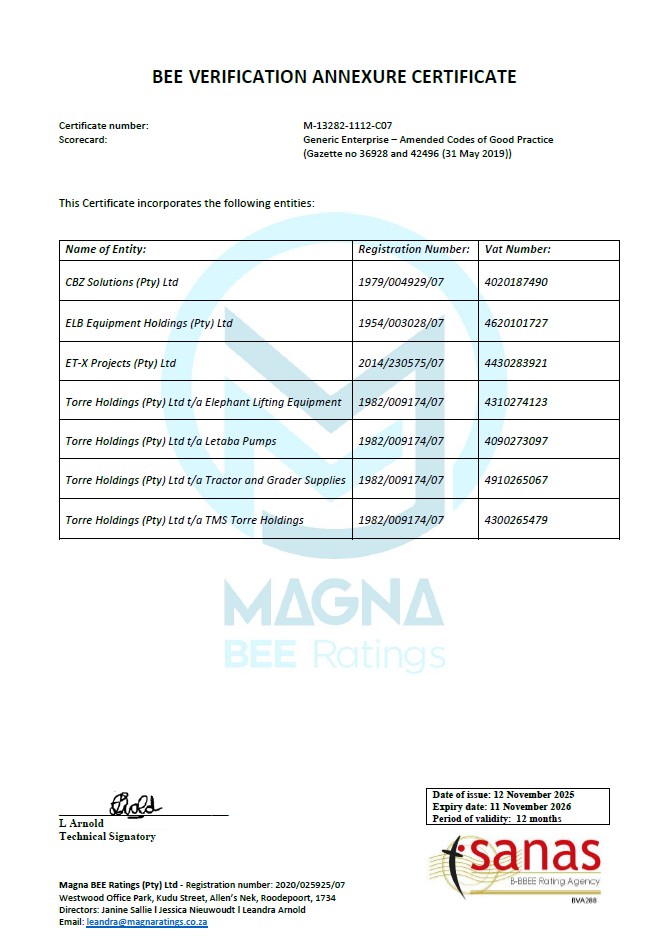
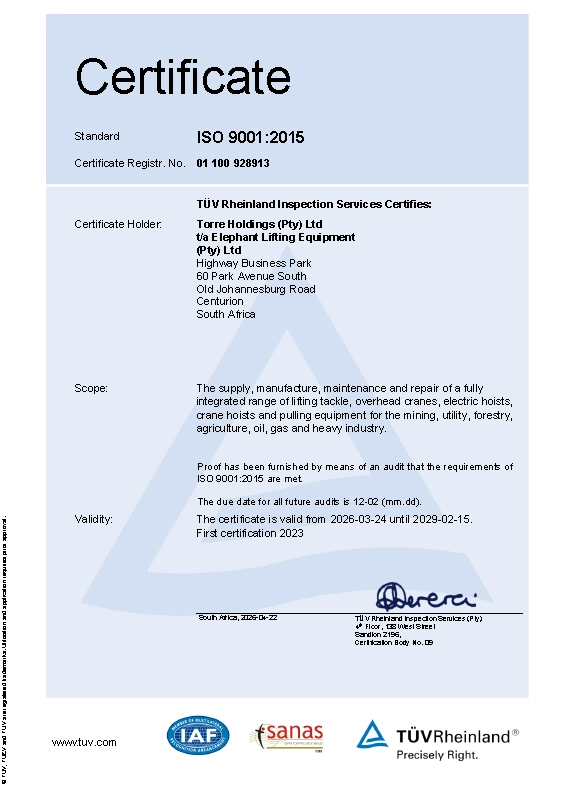
Accreditation

Industries Served


Brands

Elephant Chain Block Co., Ltd.
Elephant Chain Block Co. is a premium Japanese manufacturer of heavy-duty electric and manual chain hoists as well as lever hoists. Elephant Lifting Equipment is the sole distributor for these products in Southern Africa.

Tusker
Tusker® is a brand and registered trademark of Elephant Lifting Equipment. The brand covers a wide range of products from crane componentry, electric hoists, chain blocks, lever hoists, shackles, rigging accessories, slings and plate clamps, to customised fabricated lifting grabs, beams and attachments.

KARAM Africa
Leaders in Fall Arrest Equipment
At KARAM Africa we believe that safety should be a way of life and are leaders in Fall Arrest Equipment. Specialist products in fall arrest, which include Full Body Harnesses, Retractable Fall Arrest Blocks, Hooks & Karabiners, Lanyards, Anchor Points, Horizontal Lifelines, Vertical Lifelines, Tripods & Winches, and Rescue & Descent Equipment.

Hyperfibre Utility Strop
Construction & Mining Vehicle Recovery Applications
A revolutionary solution for vehicle recovery in the challenging Construction, Mining and Agricultural environments. The Hyperfibre® HMPE provides safer, more flexible and easier handling than conventional steel recovery slings.

Black Snake
Mining & Construction Vehicle Recovery Applications
The premier range features Kevlar® recovery strops and is capable of towing and recovering the largest mine-site vehicles, along with short Kevlar® underground mining specialty products and specially designed military strops. The Nylon range suits kinetic recovery and towing of small to medium sized vehicles. With over 240 different products available and more than 48,000 units supplied to various markets worldwide, the Black Snake Kevlar® and Nylon range have proven themselves hardworking, durable and efficient.